
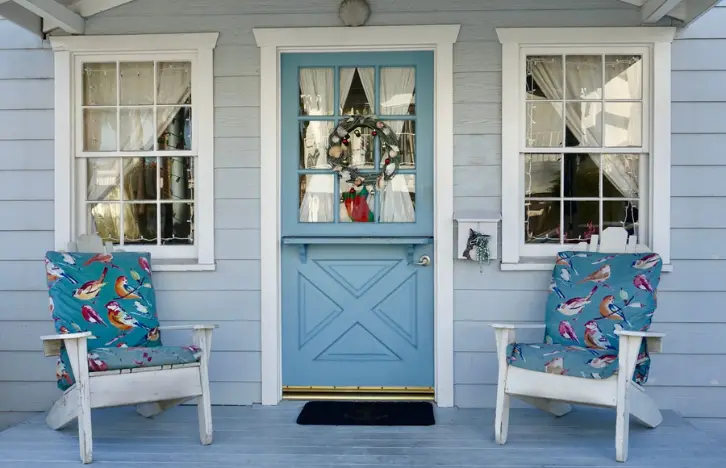
If you’ve ever dreamed of giving your home a cozy farmhouse touch, a Dutch door might be the perfect weekend project. These classic split doors — where the top and bottom halves open independently — add charm, ventilation, and practicality to any space. Whether you’re a seasoned DIYer or trying your first home improvement project, learning how to make a Dutch door is easier than it sounds. Here’s a complete guide to help you build one from start to finish.
What Is a Dutch Door and Why Make One?
A Dutch door (also called a stable door) is divided horizontally in the middle so the top half can open while the bottom stays closed. Traditionally used in farmhouses to keep animals out while allowing air to flow in, Dutch doors have made a stylish comeback in modern homes.
People love them for a few reasons:
- They let fresh air in without letting pets or kids out.
- They add instant character to entryways, kitchens, and laundry rooms.
- You can build one yourself using basic tools and a solid-core door.
If you’ve ever searched for DIY Dutch door ideas, you’ll notice how simple yet elegant these doors look once installed — and you can customize them to match your décor perfectly.
Tools and Materials You’ll Need
Before starting, gather everything you’ll need. Having your tools ready saves time and prevents mistakes later.
Materials:
- Solid-core interior or exterior door
- Dutch door hardware kit (latch, hinges, bolts)
- Wood screws
- Sandpaper (120 & 220 grit)
- Paint or stain of choice
- Wood filler
- Weather stripping
Tools:
- Circular saw or table saw
- Drill
- Level
- Measuring tape
- Screwdriver
- Clamps
If this is your first project, go for a pre-hung solid-core door. It’s easier to work with and gives better insulation.
Step-by-Step: How to Build a Dutch Door
Step 1: Measure and Mark Your Cut Line
Start by deciding where you want the door to split — usually around 36 inches from the bottom. Use a level and measuring tape to draw a straight line across the door. Mark it clearly with a pencil on both sides.
Step 2: Cut the Door in Half
Clamp the door securely and use a circular saw to cut along your marked line. Move slowly to ensure a clean, straight cut. Once done, you’ll have two separate panels — your top and bottom halves.
Step 3: Reinforce the Cut Edges
After cutting, the middle section becomes weaker. Use a piece of wood trim or metal plate to reinforce both halves along the cut. This step ensures durability and prevents warping later.
Step 4: Install the Hinges
Use three strong hinges on the door frame — two for the bottom half and one for the top. Align them carefully so both halves stay perfectly level. A crooked hinge is the most common issue DIYers face when learning how to build a Dutch door.
Step 5: Add Dutch Door Hardware
This is where the real Dutch door magic happens. Install the latch that connects the top and bottom halves, so they can lock together when needed. Then attach the doorknob and any decorative handles. If you’re going for a rustic look, black matte or bronze Dutch door hardware works beautifully.
Step 6: Smooth and Finish
Sand all surfaces using 120-grit paper first, then 220-grit for a smooth finish. Wipe the dust away and apply your favorite paint or wood stain. If you’re installing the door outdoors, use a weather-resistant sealant to protect it from moisture.
Step 7: Rehang and Test
Once everything’s dry, rehang both door halves on their hinges. Test the swing, alignment, and latch. Make sure the top opens freely without affecting the bottom. If something feels off, adjust the hinges slightly until both sections line up perfectly.
Tips for a Perfect Finish
- Use quality hinges: cheap ones can misalign the halves over time.
- Add a shelf ledge: where the two sections meet for a classic farmhouse touch.
- Test before painting: it’s easier to adjust alignment on an unfinished door.
- Seal every edge: if your door faces outside to prevent moisture damage.
Even small details make a big difference. A well-balanced door feels smooth, looks clean, and lasts for years.
Common Mistakes to Avoid
Even if you’ve read a dozen Dutch door DIY guides, a few common errors can trip you up:
- Cutting unevenly: Always double-check your measurements before sawing.
- Skipping reinforcement: A door without mid-support can sag over time.
- Incorrect hinge placement: Misaligned hinges lead to sticking or uneven swing.
- Poor sealing: Unsealed edges allow moisture in, especially on exterior doors.
Take your time — precision pays off more than speed in this project.
Conclusion
Learning how to make a Dutch door is one of the most rewarding home improvement projects you can take on. It combines creativity with practicality and gives your space that classic, welcoming feel. With basic tools, a weekend’s effort, and a little patience, you can transform a regular door into a statement piece that’s both functional and beautiful.
Whether you’re updating your kitchen, entryway, or mudroom, a DIY Dutch door adds a touch of personality you’ll appreciate every day.
Frequently Asked Questions
What tools do I need to make a Dutch door?
You’ll need a solid-core door, a circular saw, drill, hinges, latch hardware, sandpaper, paint or stain, and a measuring tape. Having the right tools makes the process smoother and the results cleaner.
How much does it cost to make a Dutch door?
A DIY Dutch door typically costs between $100–$200, depending on the quality of the door, hardware, and paint or finish you choose.
Can I turn an existing door into a Dutch door?
Yes! You can easily convert a solid-core door by cutting it horizontally, reinforcing the middle section, and adding Dutch door hardware like hinges and a latch.
Do Dutch doors work for exterior entrances?
Absolutely. Many homeowners install them at back or side entrances. Just make sure to use weatherproof sealant and outdoor-rated hardware to protect the door from moisture.
What kind of paint or finish should I use for a Dutch door?
For interior Dutch doors, use regular wood paint or stain. For exterior doors, choose outdoor-grade paint or varnish for longer-lasting protection.
